A Pacific tradition
Kava has been prepared from the root of Piper methysticum across the Pacific islands for centuries. It's part of welcome ceremonies, weddings, funerals and ordinary evenings, and it carries a different name almost everywhere it's drunk.
- Fiji: yaqona, or simply "grog." Served from a wooden bowl called a tanoa into a half coconut shell, with a clap before and after, and a "bula!"
- Vanuatu: drunk at the nakamal, a village meeting place, often at dusk. Vanuatu is known for strong kava and strict rules about which varieties can be exported.
- Tonga and Samoa: kava ('ava) is central to formal ceremonies that mark rank and welcome guests.
- Hawaii: known as 'awa, with its own long tradition.
The ritual
Traditionally the root is pounded or ground, mixed with water, and strained through cloth. It's passed around in a shared shell, and everyone drinks in turn. The point has always been the gathering as much as the drink.
Kava comes to America
Kava bars started opening in Florida and have spread across the country. They look like coffee shops or neighborhood bars, but everything on the menu is alcohol-free. For a lot of people, they've become the third place a bar used to be.
And then, the can
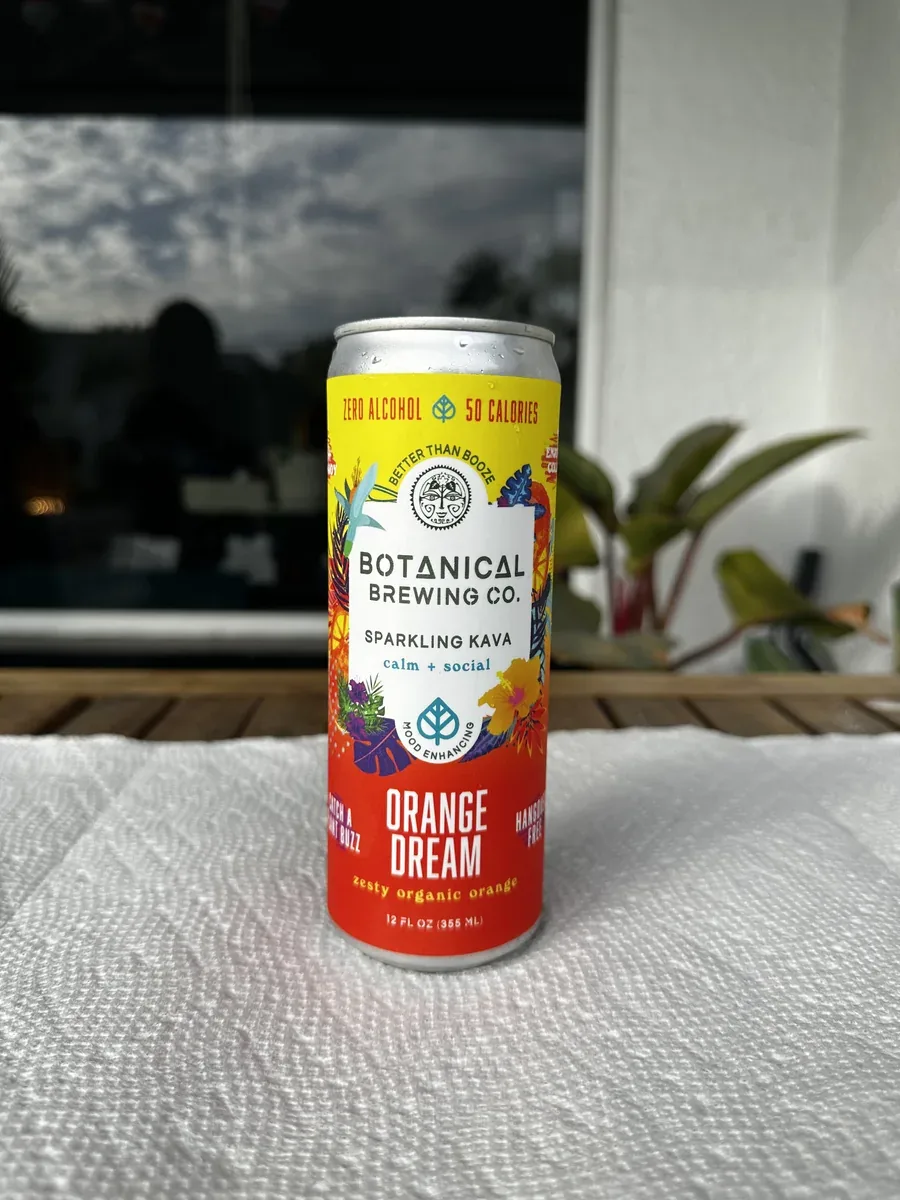
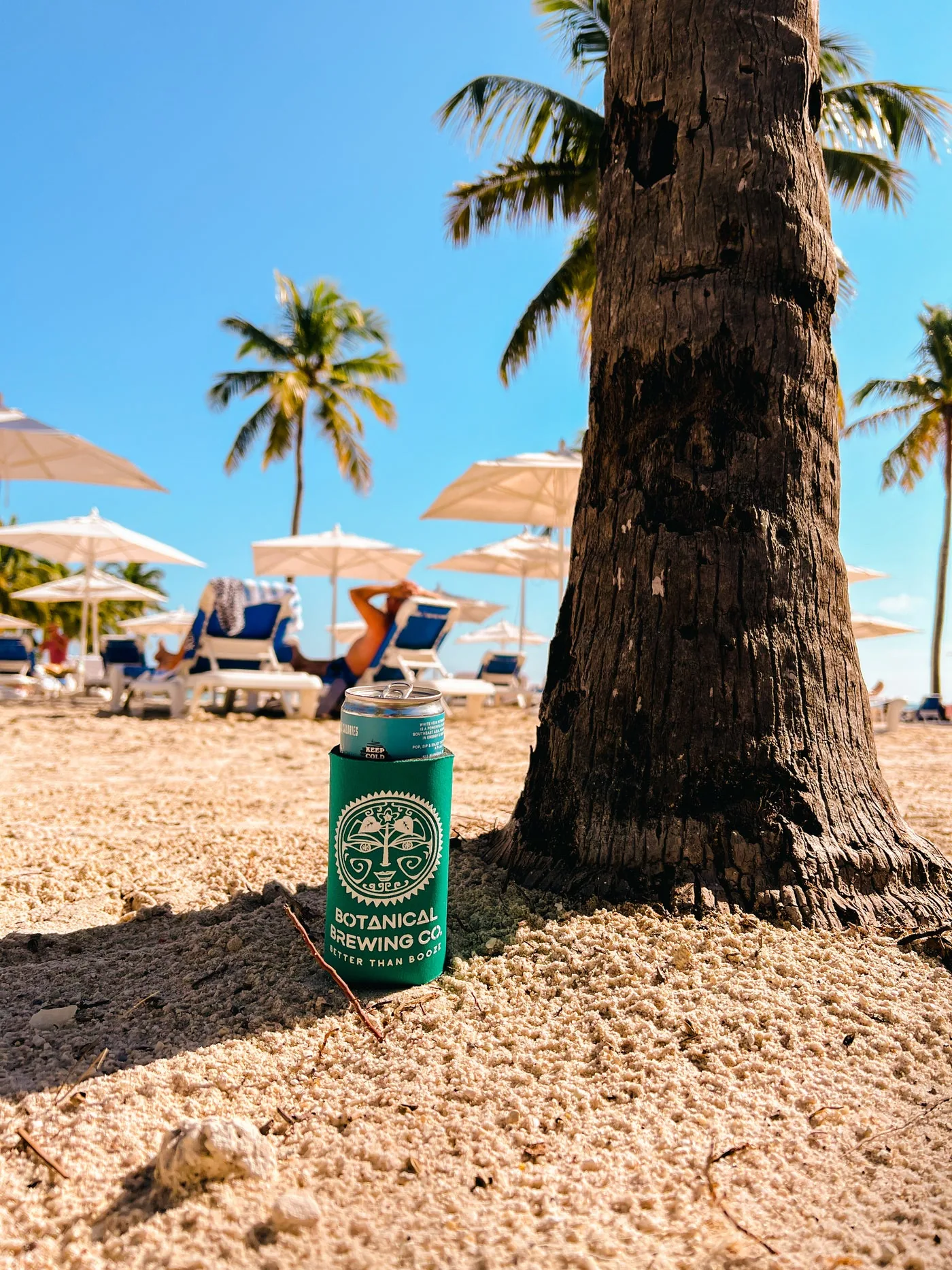
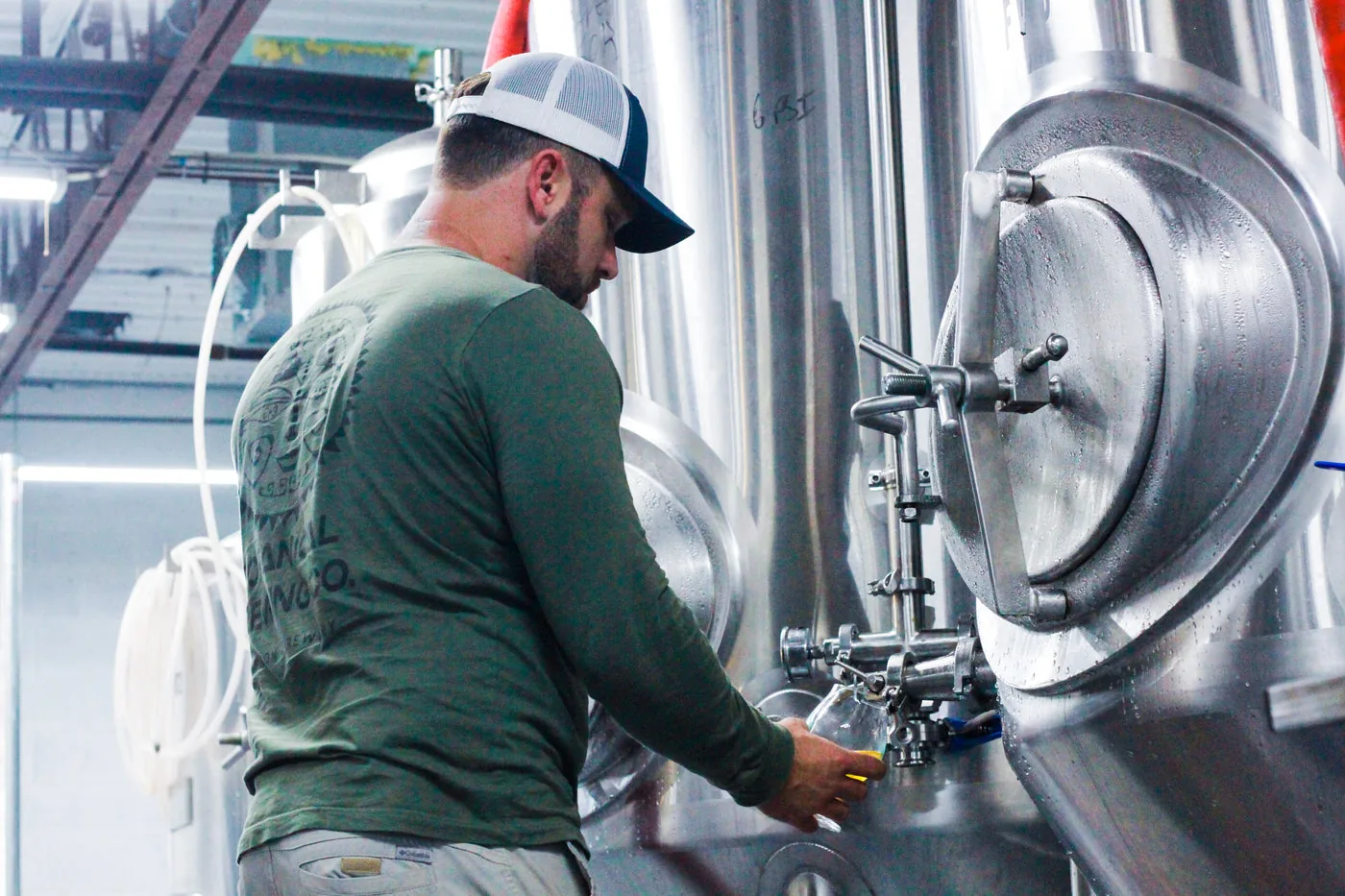
Canned kava takes the ritual home. Botanical Brewing brews sparkling, fruit-forward kava for the end of the day, when you can't make it to the kava bar.
Questions people ask
Where does kava come from?
The South Pacific islands, including Fiji, Vanuatu, Tonga, Samoa and Hawaii.
What do you say when drinking kava?
In Fiji, people say 'bula' and clap before and after drinking from the shell.
What is a kava bar?
A bar or lounge that serves kava and other alcohol-free drinks.
For adults 21+. Don't mix with alcohol.