Where kava comes from
Kava grows in Fiji, Vanuatu, Tonga, Samoa, Hawaii and across the Pacific islands. For centuries it's been prepared from the root and shared at ceremonies, gatherings and the end of the day. In Fiji it's often called yaqona or simply "grog," and it's served in a coconut-shell cup with a clap and a "bula." Read more about kava culture and tradition.
What it tastes like
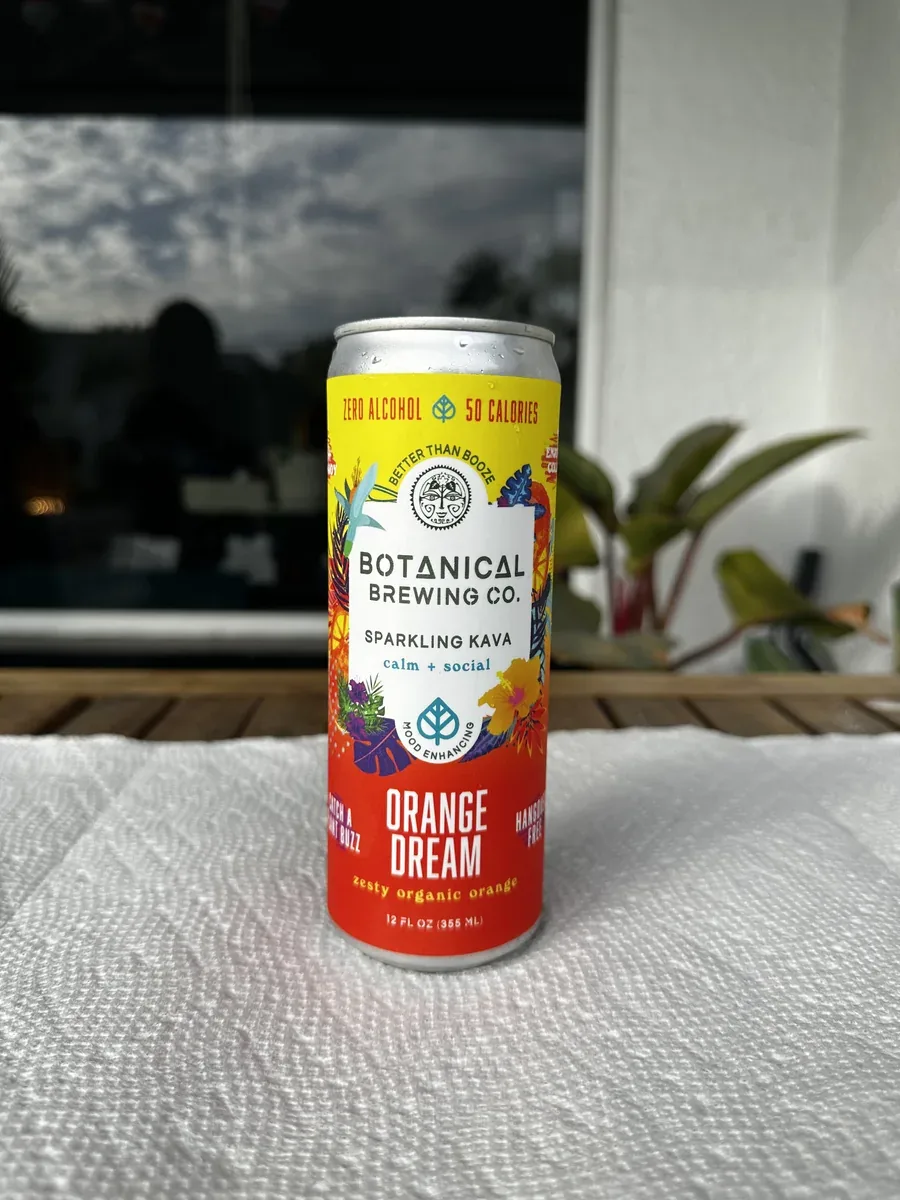
Traditional kava is earthy, peppery and a little bitter, and it numbs your lips slightly. That's normal. Modern canned kava, like Orange Dream or Tutti Frutti, adds fruit and bubbles so it tastes like a craft soda with an earthy finish.
Why people drink it
People drink kava to unwind and to be social, the same moments people use alcohol for, without the alcohol. That's why kava bars have spread across Florida and beyond, and why canned kava is one of the fastest-growing zero-proof drinks.
How to try it
- At a kava bar. The traditional shell, usually mixed fresh.
- In a can. The easiest way to start. Cold, sparkling and portioned.
- As a powder or stick pack. Good for travel. See the best kava to-go packs.
What to know first
Kava isn't for everyone. Don't drink it with alcohol. Skip it if you're pregnant or breastfeeding, have liver problems, or take medication that affects the liver or makes you drowsy, and check with your doctor if you're unsure. Start with one serving and see how you feel.
Questions people ask
What is kava made from?
The root of Piper methysticum, a pepper-family plant from the South Pacific.
What does kava taste like?
Traditional kava is earthy and peppery and slightly numbs the lips. Canned kava drinks add fruit flavors and taste much milder.
Is kava legal in the US?
Yes, kava is legal and sold as a food and beverage ingredient in the US.
Can you drink kava with alcohol?
No. Don't combine kava with alcohol.
Kava isn't for everyone. If you're pregnant, take medication, or have liver concerns, check with your doctor first. Don't mix kava with alcohol.