Where kanna comes from
Kanna is a low-growing succulent from the Western and Northern Cape of South Africa. Indigenous San and Khoikhoi people have used it for centuries, traditionally chewing or fermenting the plant. Its main compounds are alkaloids, the best known being mesembrine.
How people describe it
Kava is the classic wind-down drink. Kanna has a different reputation: people describe it as lighter and more social, with easier conversation rather than a heavy, relaxed body feel. That's why it's showing up at dinner parties and on zero-proof menus.
Kanna in a can
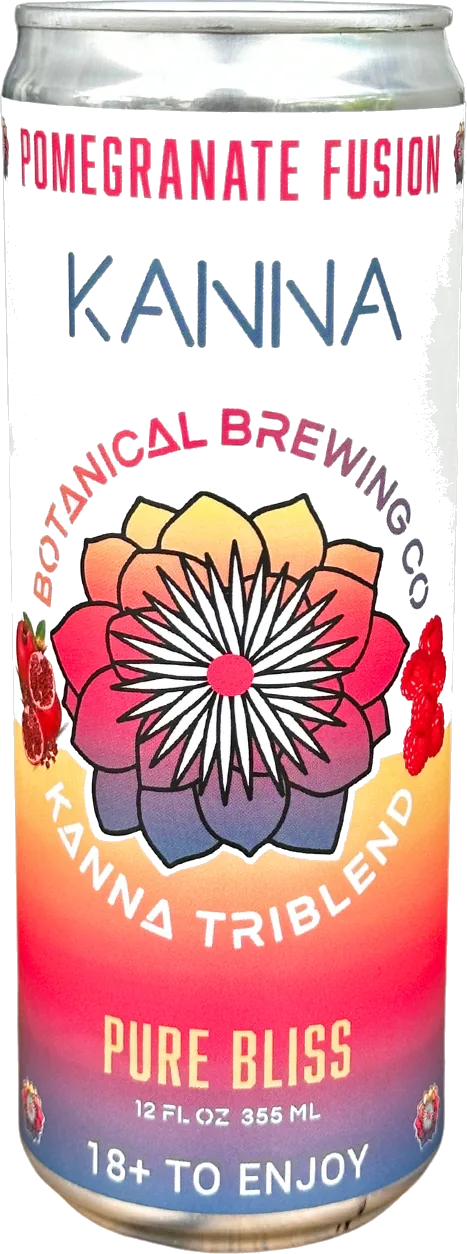
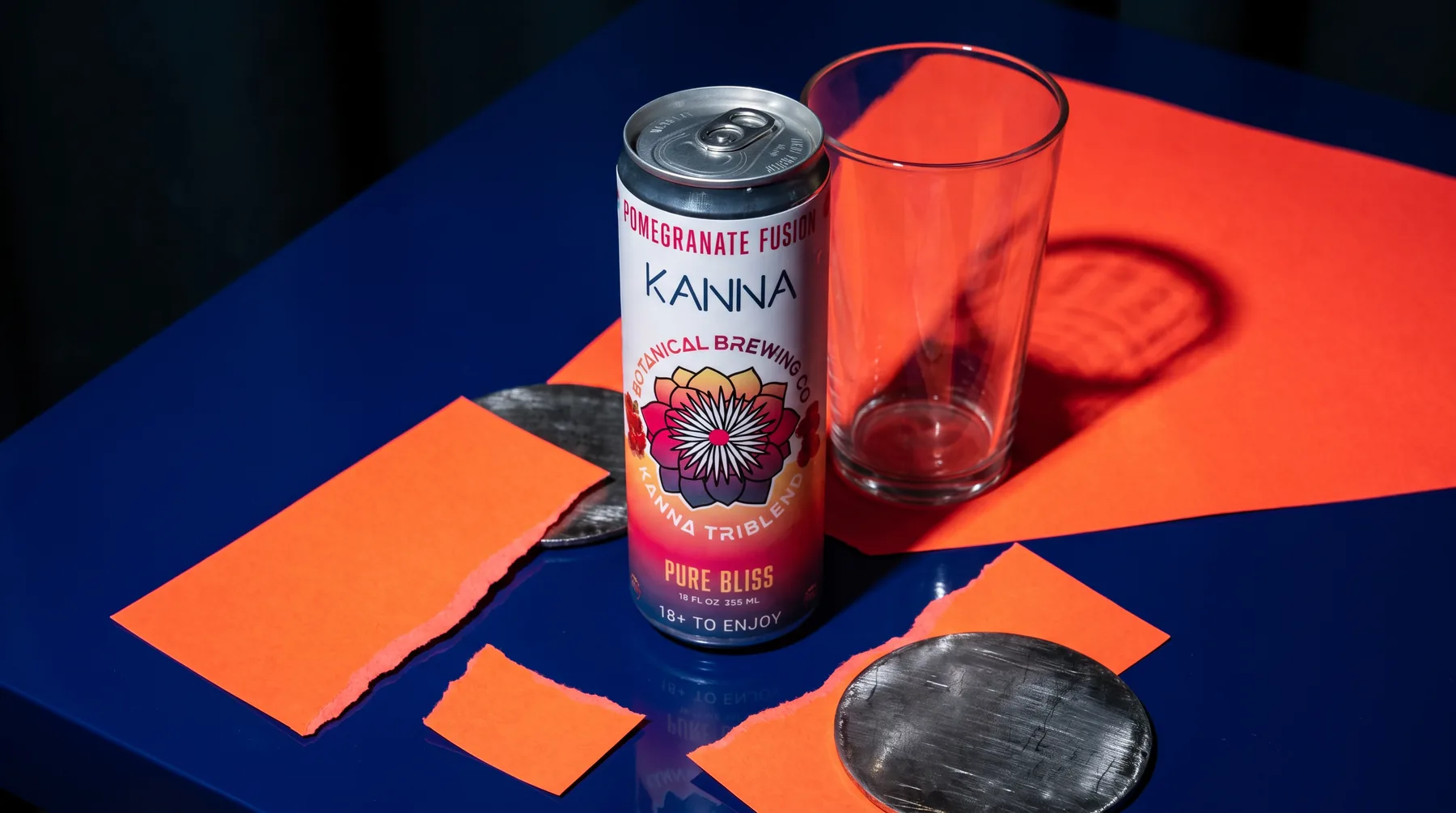
Botanical Brewing's Kanna Pomegranate Fusion uses a kanna triblend with sparkling pomegranate and raspberry. It's the easiest way to try kanna, and at from $30.60 a 4-pack, it's the lowest-priced can in their lineup.
Who should skip it
Kanna isn't for everyone. Because it acts on serotonin, don't combine it with antidepressants (SSRIs, SNRIs, MAOIs) or other medication that affects mood. Skip it if you're pregnant or breastfeeding, and talk to your doctor if you're unsure.
Kanna vs. kava
Different plants, different continents, different moments. Kava for the end of the day; kanna for the social part of the evening. See our full kava vs. kanna comparison.
Questions people ask
What is kanna?
Kanna (Sceletium tortuosum) is a succulent from South Africa with a long history of traditional use, now used in some drinks and supplements.
What does kanna feel like?
People commonly describe it as lighter and more social than kava. Experiences vary; start with one serving.
Can you take kanna with antidepressants?
No. Kanna isn't recommended with antidepressants or other mood medication.
Is kanna legal in the US?
Kanna is generally sold legally in the US as a supplement and drink ingredient.
Kanna isn't for everyone. Skip it if you take antidepressants or other mood medication, or if you're pregnant, and check with your doctor if you're unsure. For adults 21+.